Fractional CFO vs in-house CFO
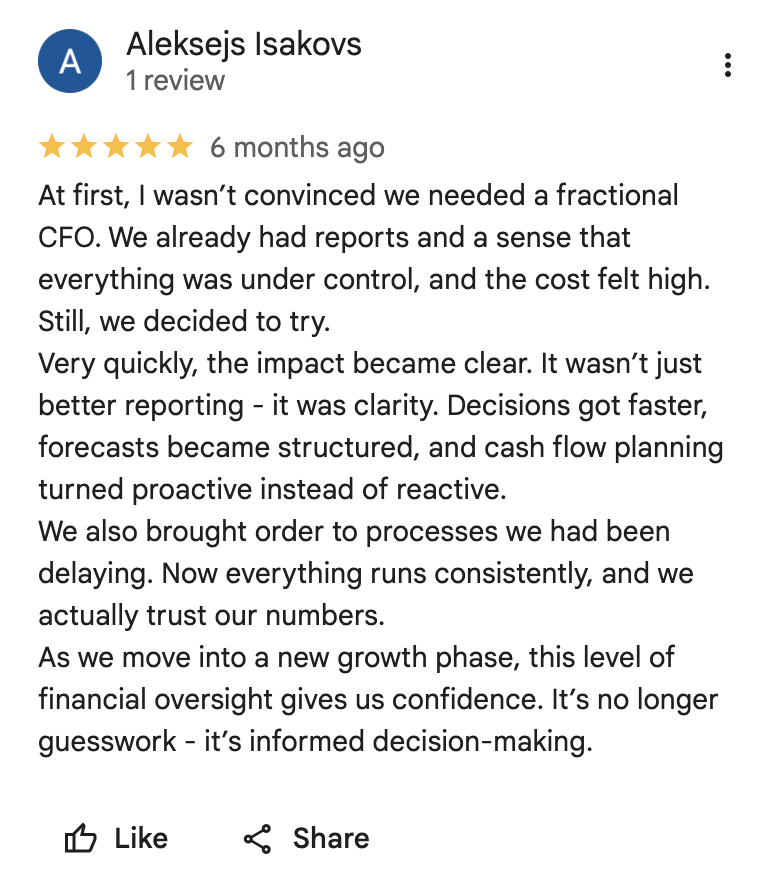
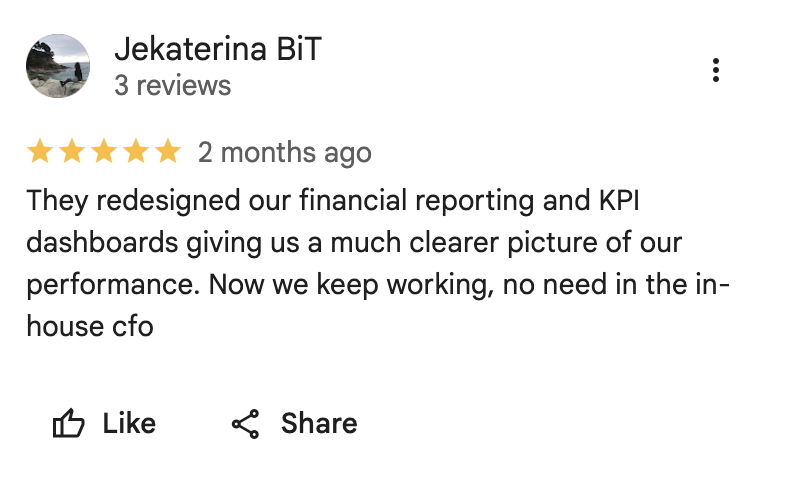
A fractional CFO gives you senior financial leadership for a fraction of a full-time salary, starts within days and can be stopped any month. An in-house CFO gives you full-time presence and ownership, but costs €120K+ plus taxes and bonus, takes three to six months to hire and carries real mis-hire risk. Below roughly €20M revenue, or before a transaction demands daily attention, fractional wins on almost every dimension except availability.
- Time to value
- Days versus three to six months
- Cost
- Monthly retainer versus €120K+ package
- Commitment
- Month to month versus employment contract
- Switch point
- Finance becomes a department to lead

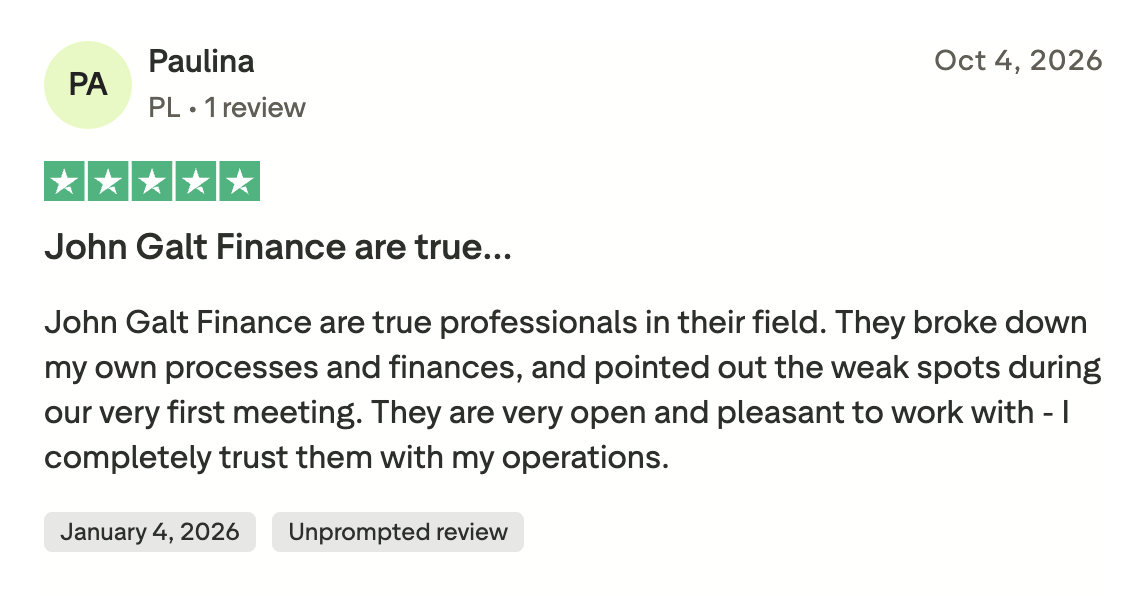
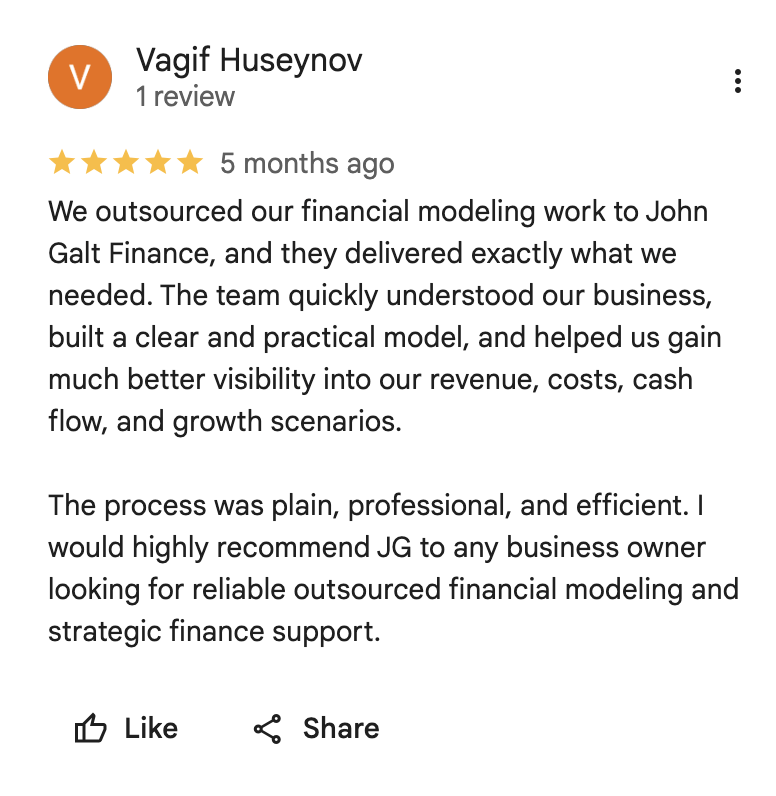
15+ years in finance: 100+ financial models built, €40m+ raised for clients, Forbes contributor and lecturer.
The question is rarely about capability. Both options can be excellent. The question is what you are buying and when you need it.
Side by side
| Fractional CFO | In-house CFO | |
|---|---|---|
| Yearly cost | A fraction of a salary, month to month | €120K+ plus taxes, bonus, equity, recruiter |
| Start | Days | Three to six months to hire and onboard |
| Seniority | Senior from day one | Depends on what your budget attracts |
| Breadth | Patterns from dozens of companies | Depth in your company only |
| Availability | Scheduled cadence plus access between calls | Full-time, in every meeting |
| Risk | Stop any month | Mis-hire costs a year of salary and momentum |
| Best for | Under roughly €20M revenue, or a specific mandate | Finance as a department to build and lead |
What fractional genuinely gives you
Pattern recognition. Someone who has seen forty businesses in your shape knows within a week where your margin is leaking, because it leaks in the same places. You also get seniority you could not afford full-time: the person doing the thinking is the person who has done it before, not a junior with a senior title.
What only full-time gives you
Presence. A CFO in every commercial meeting, owning a team, negotiating with banks weekly, running an M&A process day by day. If that is the job description, hire.
The honest middle path
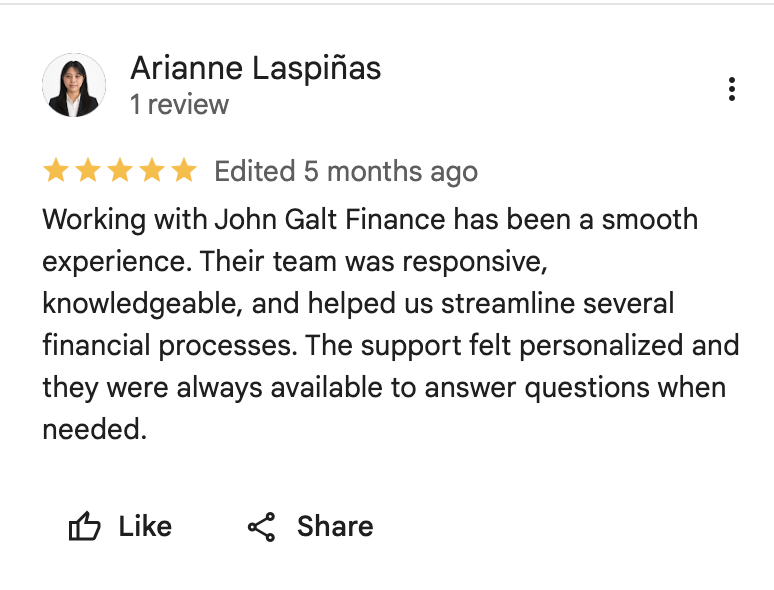
Many companies run fractional for 18 to 24 months, build clean reporting and a working forecast, then hire in-house into a function that already works. That is the cheapest possible route to a good CFO hire, because you know exactly what you need and the new hire inherits a system instead of a mess.
How to decide this week
Write down the three financial decisions coming in the next quarter. If they need judgement a few days a month, go fractional. If they need someone in the building every day, hire.
Related questions
Is a fractional CFO less committed than an employee?
Commitment shows up in cadence and accountability, not in headcount. A fractional engagement has fixed deliverables, a fixed call rhythm and can be ended if it does not deliver.
Can a fractional CFO handle a fundraise?
Yes. Model, data room, metrics and investor questions are standard fractional work. Full-time only becomes necessary when the process runs daily for months.
Can we move from fractional to in-house later?
That is the common path. We build the reporting and forecasting system, then hand it to your hire so they start with a working function.
Written from our own CFO engagements: how we scope retainers, what we deliver in the first 30 days, and what founders actually ask on diagnostic calls. Third-party studies are cited only when we can link them.
- How we scope engagements – our published scoping factors
A free 30-minute call with a senior CFO. No sales pitch – just a clear read on where your money is and what to do next.