How to Get Investor-Ready Before You Approach an Investment Firm
Investors judge you on your numbers long before they judge your idea. Here is the package to have ready, and the mistakes that slow fundraising down.
- Core package
- Financial model, valuation logic and pitch deck
- First question investors ask
- How big is the opportunity, and do the numbers support it?
- Biggest avoidable delay
- Numbers that do not reconcile between the model, the deck and the books

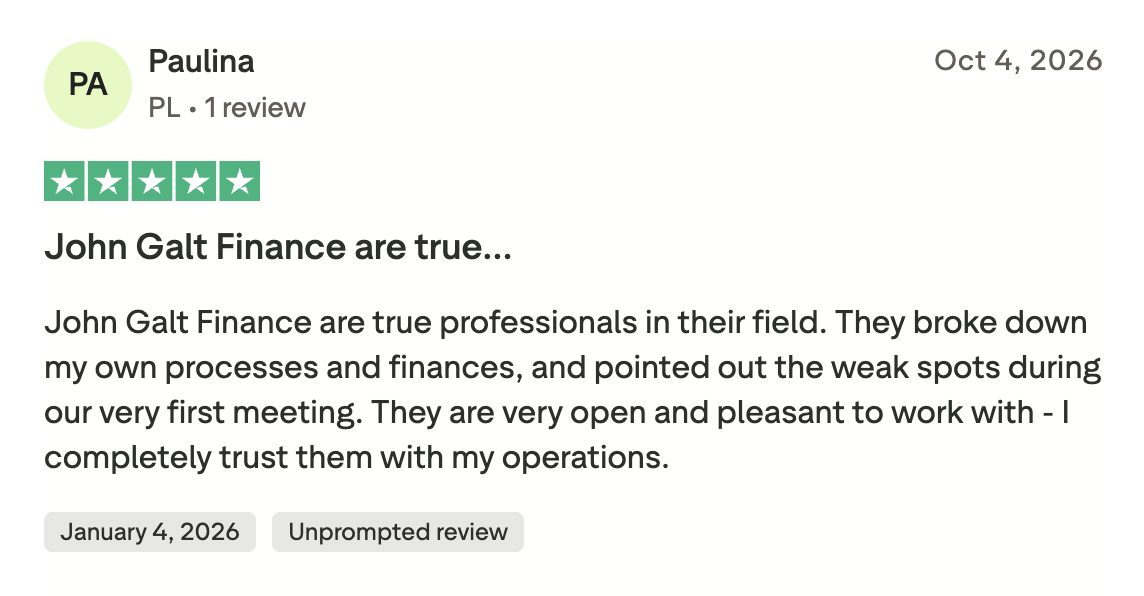
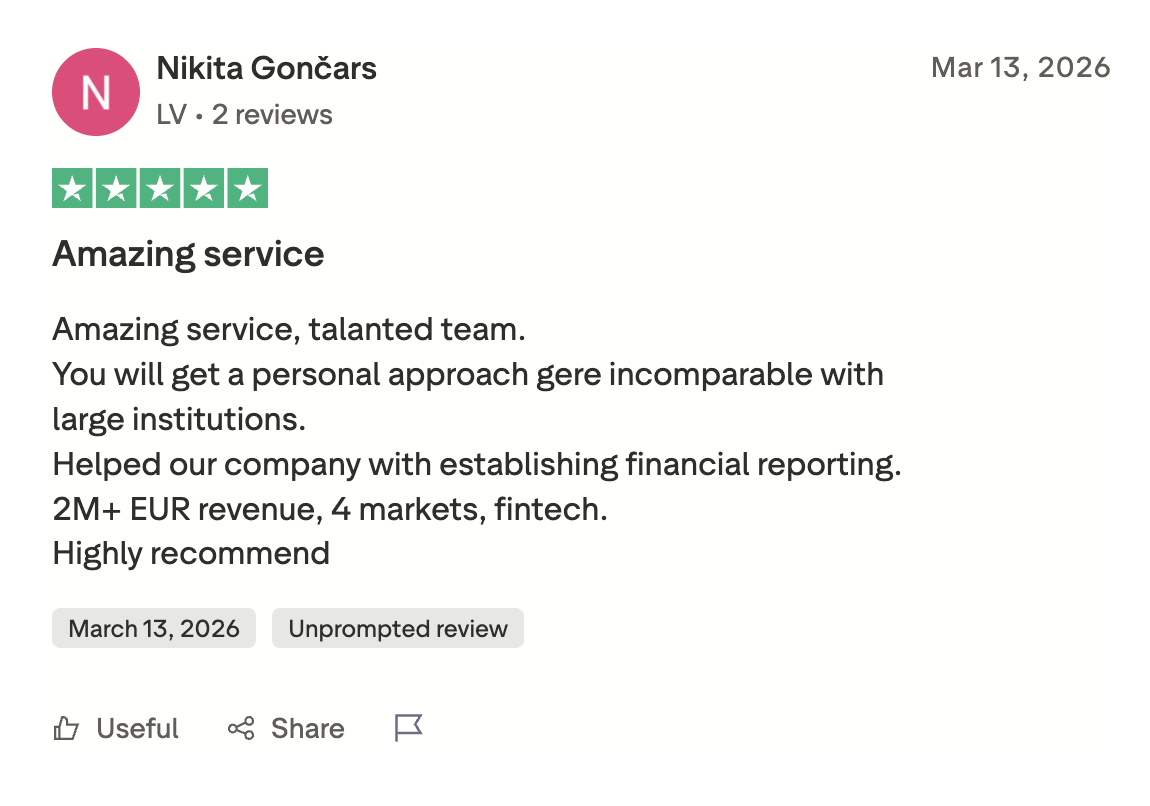
15+ years in finance: 100+ financial models built, €40m+ raised for clients, Forbes contributor and lecturer.
Short answer: before you approach an investment firm, have three things ready: a financial model that reconciles with your books, a valuation you can defend, and a deck that tells the same story as the numbers. Investors forgive an early-stage company for being small. They rarely forgive numbers that do not add up.
Why preparation changes the outcome
Investment firms see many pitches. A clean, consistent package signals that the team understands its own business and that later reporting will be reliable. Messy numbers do the opposite and slow the process, because every inconsistency triggers more questions.
The investor-ready package
1. Financial model
A model that links revenue, costs and cash over the next three to five years, with:
- Clear assumptions you can explain in a sentence each
- Three scenarios: base, upside and downside
- A cash flow view that shows the runway and the funding need
- Unit economics: margins, CAC, LTV and payback
2. Valuation logic
You do not need a single magic number. You need a reasoned range, the method behind it (for example comparable companies or discounted cash flow) and the assumptions it depends on.
3. Pitch deck
Short and consistent with the model: the problem, the product, the market, traction, the team, the ask and how the funds will be used.
4. Supporting documents
Cap table, recent financial statements, key contracts and a simple data room folder structure make due diligence faster.
Match the package to the investor
A venture investor, a private equity fund and a strategic partner care about different things: growth and market size, cash generation and margins, or fit with their own business. Tailor emphasis and examples to each, instead of sending one deck to everyone.
Common mistakes
- A model and a deck that disagree
- Revenue forecasts with no link to costs or capacity
- No clear use of funds
- Ignoring the downside scenario
- Approaching investors before the package is ready, then losing momentum
Where a CFO fits in
A fractional CFO can build and stress-test the model, prepare the valuation and reporting package, and support you in investor conversations when you need it. Finding and closing investors is a separate task, and nobody can promise a funding outcome.
Book a CFO diagnostic call - 30 minutes, no pitch, a real CFO.
Related questions
What do investment firms want to see first?
Usually a short pitch deck and a financial model that shows revenue, margins, cash needs and how the funds will be used.
Do I need a valuation before talking to investors?
You need a reasoned view of value and the assumptions behind it. Investors will challenge it, so know where it comes from.
Can a CFO help me raise money?
A CFO can prepare the financial model, valuation and reporting package, and support you in investor conversations. Finding and closing investors is a separate job.