Fractional CFO Near Me: Does Location Actually Matter?
Most fractional CFO work is done remotely. Location matters for local tax and regulation, not for models, forecasts and board reporting. Here is how to decide.
- Usually remote
- Models, forecasts, reporting and board packs do not need a shared office
- Location matters for
- Local tax, statutory filings, banking relationships and in-person team work
- Better filter
- Experience in your sector and stage, not distance
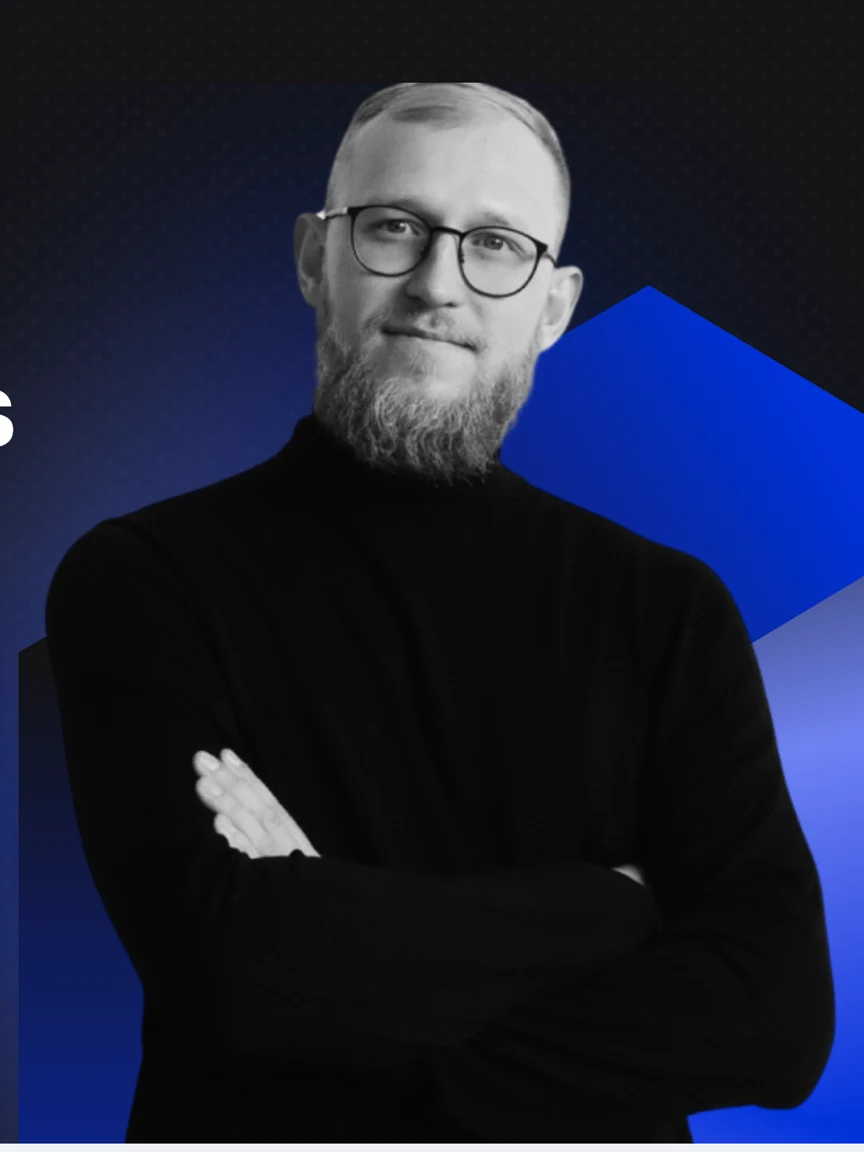
15+ years in finance: 100+ financial models built, €40m+ raised for clients, Forbes contributor and lecturer.
Short answer: for most businesses, location does not matter much. A fractional CFO builds forecasts, models and reports, and all of that works remotely. Distance matters only when the job depends on local rules or on being physically present.
What a fractional CFO actually does
The role is mostly thinking and analysis: cash flow forecasts, budgets, unit economics, fundraising preparation, monthly reporting and advice on big decisions. None of this needs a shared office. It needs access to your data, regular conversations and a clear agenda.
When proximity helps
| Situation | Why location can matter |
|---|---|
| Country-specific tax and statutory reporting | Local rules and filings differ, and local knowledge saves time |
| Regulated industries | Licences and reporting may require local expertise |
| Strong in-person culture | Some teams work better with someone in the room |
| Banking and lender relationships | A local introduction can help, though it is rarely essential |
In the first two cases the usual solution is not a local CFO. It is a local accountant or tax advisor working alongside a CFO who owns the financial direction. See Financial Services a Growing Business Needs for how these layers fit together.
When remote works well
Remote is a good fit when your books are digital, your bank and payment data can be shared securely, and the questions you need answered are about the future: cash, pricing, hiring, funding. It also widens your choice, so you can pick someone who has solved your exact problem before.
What to check instead of distance
- Sector and stage. Has the person worked with businesses like yours: similar model, similar size?
- Scope. Is the work a defined monthly rhythm with deliverables, or open-ended hours?
- Tools. Which systems do they work in, and who owns the files and models?
- Time zone overlap. A few shared hours each week is enough for most teams.
- Handover. Will you keep the models and documentation if you stop working together?
A CFO who is ten minutes away but has never seen your business model is a worse choice than a remote one who has.
Questions to ask in the first call
- How would you spend the first 30 days?
- What would you need from us, and from our accountant?
- Which decisions would you expect to influence in the first quarter?
- What does a typical month with you look like?
If you are unsure what to expect from the first conversation, read What to Expect From a Financial Consultation. For the difference between project help and ongoing ownership, see Financial Consultant vs Fractional CFO.
The practical rule
Choose for fit first, location second. If local tax or regulation is central, pair your CFO with a local specialist. Otherwise, widen the search.
This article is general information, not legal, tax or investment advice.
Book a CFO diagnostic call - 30 minutes, no pitch, a real CFO.
Related questions
Do I need a fractional CFO in my city?
Usually not. Most of the work is analysis, forecasting and decision support, which works well over video and shared files. Local presence matters mainly for country-specific tax and compliance.
Who handles local tax if my CFO is abroad?
Your local accountant or tax advisor. A fractional CFO works with them, setting the financial direction while they handle filings and compliance.
How often should a fractional CFO meet the team?
A common rhythm is a monthly review plus short check-ins before big decisions. Agree it up front so expectations are clear.